

Structures of Governed Intelligence
Mandala of Agency
A structured account of actors, capabilities, authority, permissions, ownership, review, and responsibility, preserving the distinctions needed to understand accountable action.
WinMedia Catalog
WinMedia publishes structured works on intelligence, cognition, mandala systems, human development, spirituality, and music. Human Editions are published and promoted through Amazon; Machine Editions are published directly by WinMedia.
Mandala of Agency and Always-On AI are now available on Kindle. Explore accountable action and what changes when AI keeps working.
Books · Reported released in the week ending October 3, 2026
Structures of Governed Intelligence
A structured account of actors, capabilities, authority, permissions, ownership, review, and responsibility, preserving the distinctions needed to understand accountable action.

Standalone publication
Intelligence That Keeps Going
An accessible inquiry into what changes when AI keeps working beyond a single exchange: persistence, delegation, automation, scale, and the governance of continuing activity.
Find in this catalog
33 of 33 books shown
Complete Six-Volume Series
Foundations of Mandala Intelligence is a six-volume sequence that moves from the architecture of intelligence, through domain-neutral knowledge and common protocol, into governed relationships and integrated meta-architecture, and concludes with the transmission of structured meaning.
Series architecture →
Foundations of Mandala Intelligence — Volume 1 · Published
A Layered Architecture for Interpretable and Aligned AI
The Sanskrit Mandala Model presents a layered architecture for interpretable and aligned AI, drawing from Sanskritic systems of grammar, semantic structure, logic, hermeneutics, ontology, and bhakti/rasa alignment. It frames intelligence as structured, inspectable, and governable rather than flat or opaque.
Sanskrit Mandala Model · Supporting Structures

Foundations of Mandala Intelligence — Volume 2 · Published
A Layered Architecture for Structured Intelligence
Universal Knowledge Mandala presents a domain-neutral architecture for structured intelligence. It translates mandala-based cognition into a secular, interoperable model for organizing knowledge, preserving conceptual structure, and supporting interpretable reasoning across human and AI contexts.
Universal Knowledge Mandala (UKM) · Sanskrit Mandala Model · The Mandala of Mandalas (MoM)
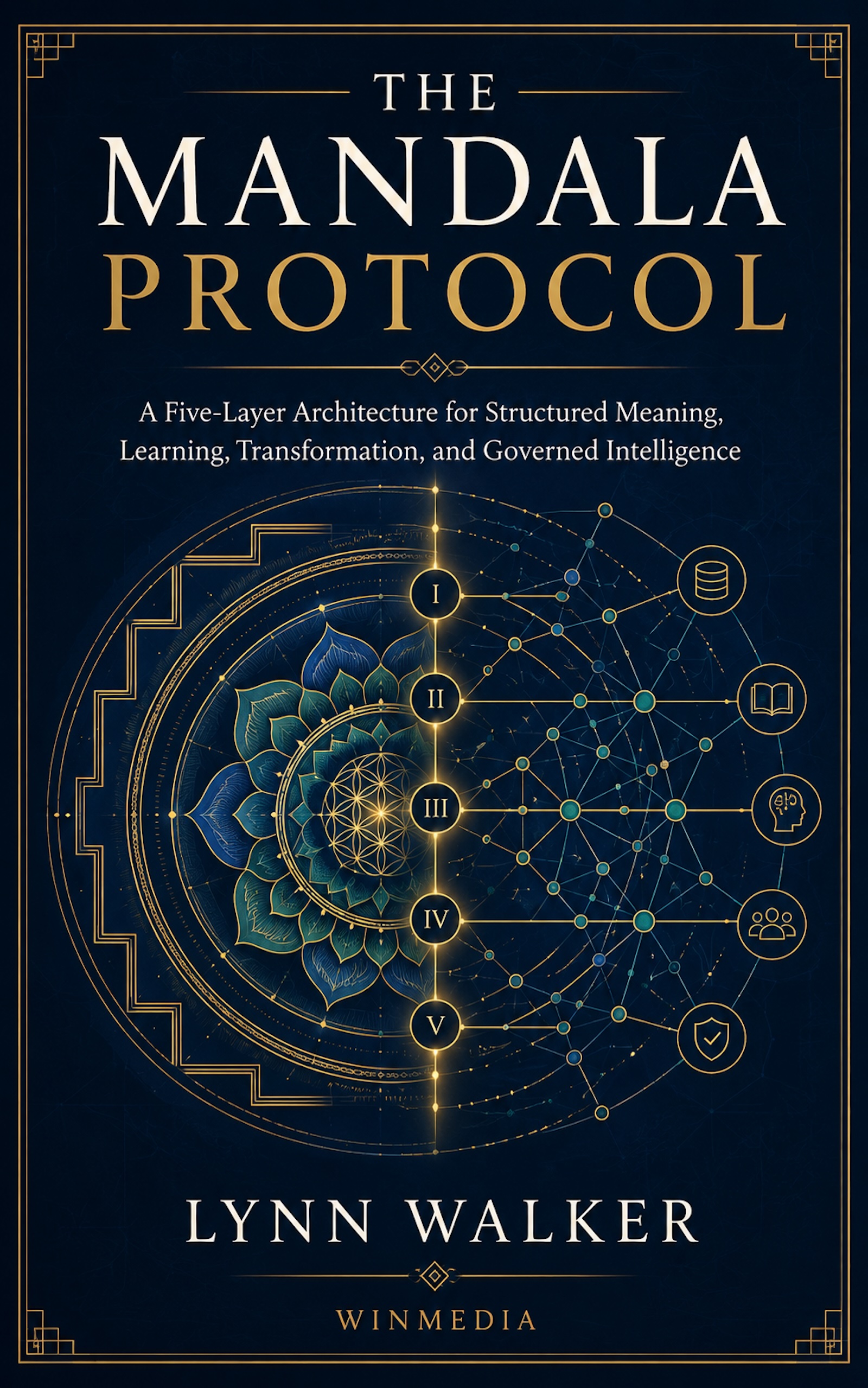
Foundations of Mandala Intelligence — Volume 3 · Published
A Five-Layer Architecture for Structured Meaning, Learning, Transformation, and Governed Intelligence
The Mandala Protocol defines a five-layer architecture for structured meaning, learning, transformation, and governed intelligence. It establishes the core pattern through which mandalas are formed, communicated, extended, and applied across human and AI-facing systems.
The Mandala Protocol · SROW — Structured Resolution-Oriented Writing · Sanskrit Mandala Model · Universal Knowledge Mandala (UKM)

Foundations of Mandala Intelligence — Volume 4 · Published
The Relationship Topology of Governed Intelligence
Big Net defines the relationship topology of governed intelligence: how structured knowledge systems connect without losing meaning. It explains how systems can connect across domains, objects, agents, and interpretive contexts without flattening meaning, losing provenance, or dissolving governance boundaries.
Big Net · Universal Knowledge Mandala (UKM) · Sanskrit Mandala Model

Foundations of Mandala Intelligence — Volume 5 · Published
A Relational Architecture for Meaning, Reflection, Decision, and Action
The architectural capstone of the Foundations of Mandala Intelligence series, relating its frameworks without collapsing their distinct boundaries.
The Mandala of Mandalas (MoM) · Sanskrit Mandala Model · Universal Knowledge Mandala (UKM)
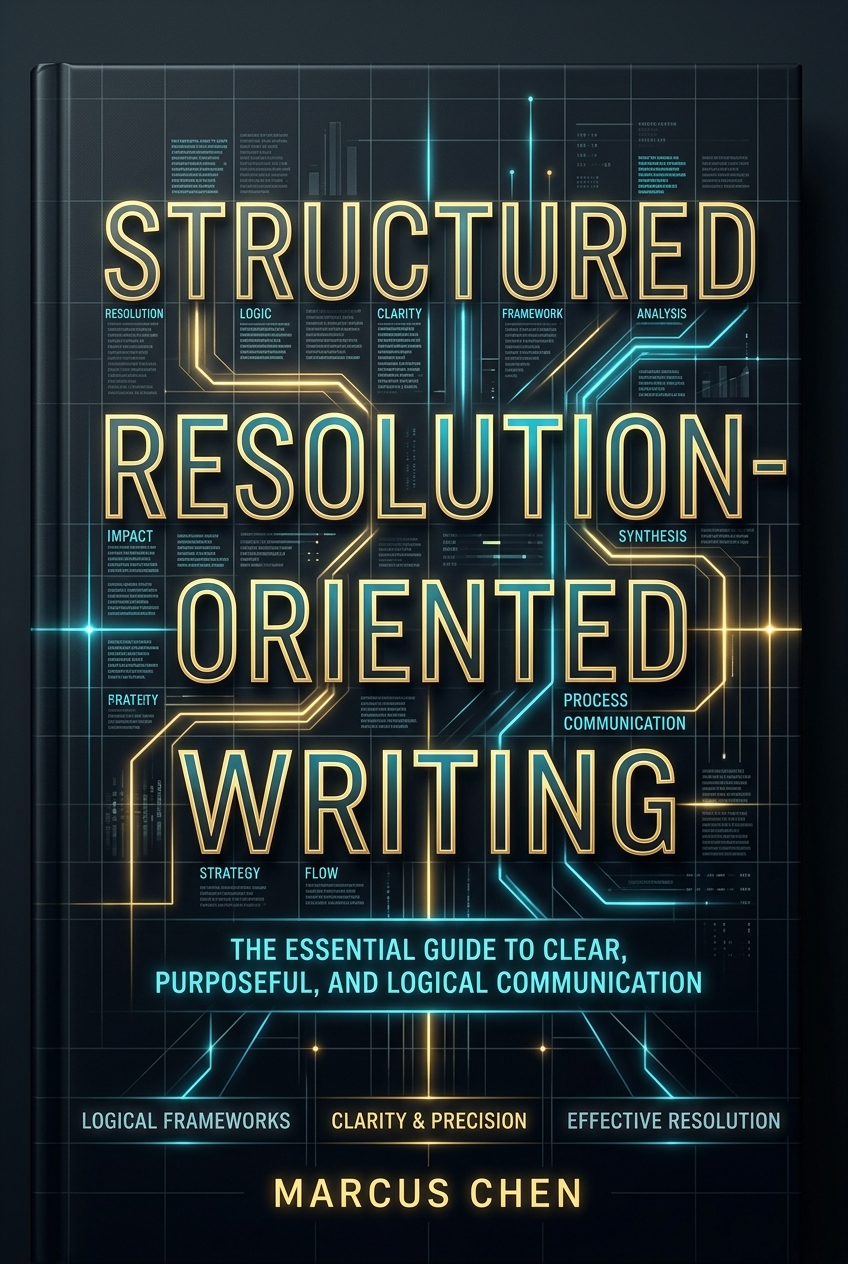
Foundations of Mandala Intelligence — Volume 6 · Published
The Transmission Layer of Mandala Intelligence
The transmission capstone and closing volume of the Foundations of Mandala Intelligence series. SROW is a governed method for rendering and transmitting complex structured meaning at multiple resolutions without flattening decisive structure.
SROW — Structured Resolution-Oriented Writing
Complete Four-Volume Series
Human and Participatory Intelligence (HPI) is an adjacent, complementary publication series from WinMedia focusing on the human dimension, systematic self-inquiry, cognitive orientation, and the participatory interfaces between human agency and structured knowledge stacks.
Series architecture →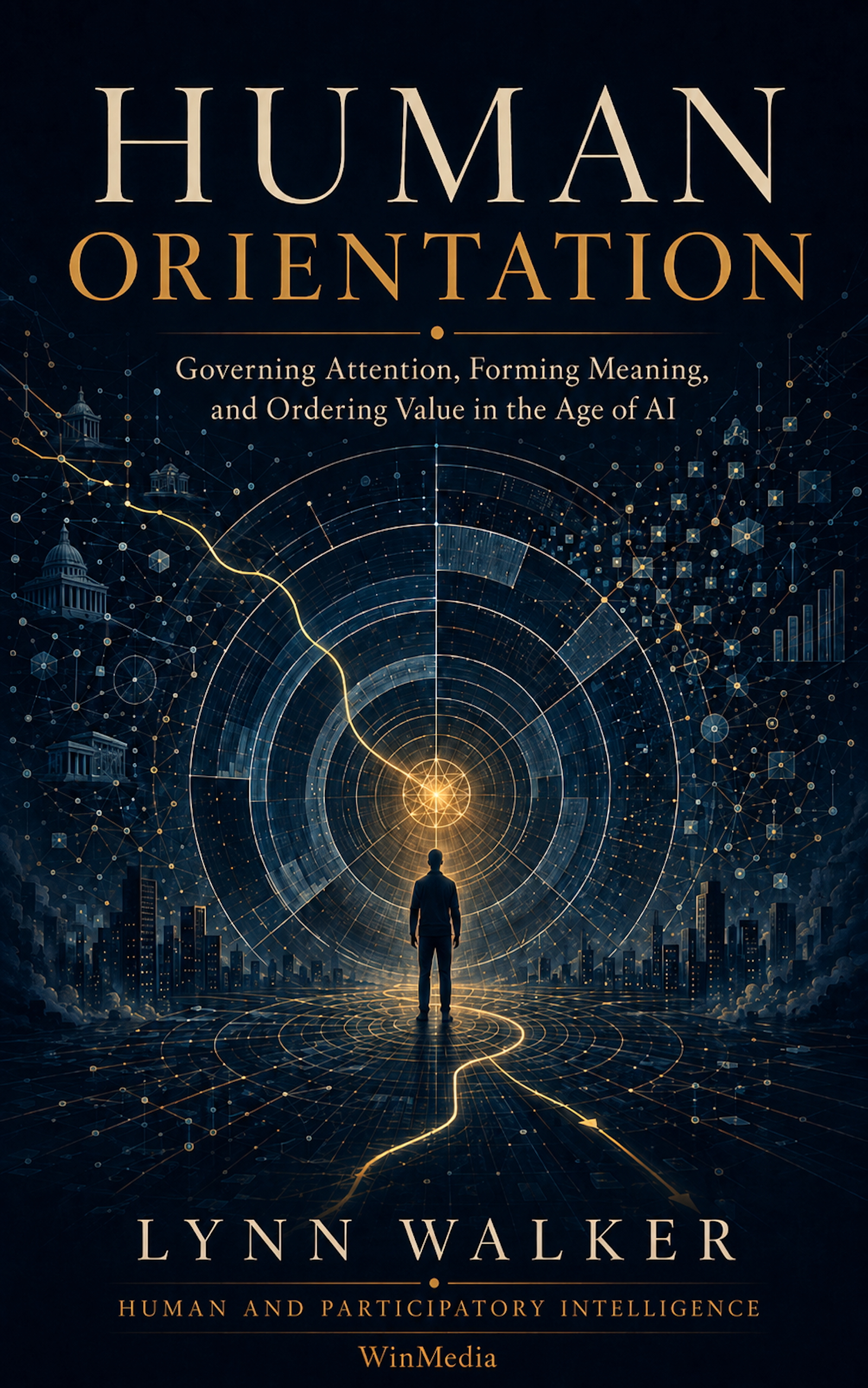
Human and Participatory Intelligence — Volume 1 · Published
Governing Attention, Forming Meaning, and Ordering Value in the Age of AI
A book about governing attention, forming meaning, and ordering value so that increased information and AI capability do not substitute for human direction and responsibility.
Human Orientation · Value Architecture · Meaning Formation
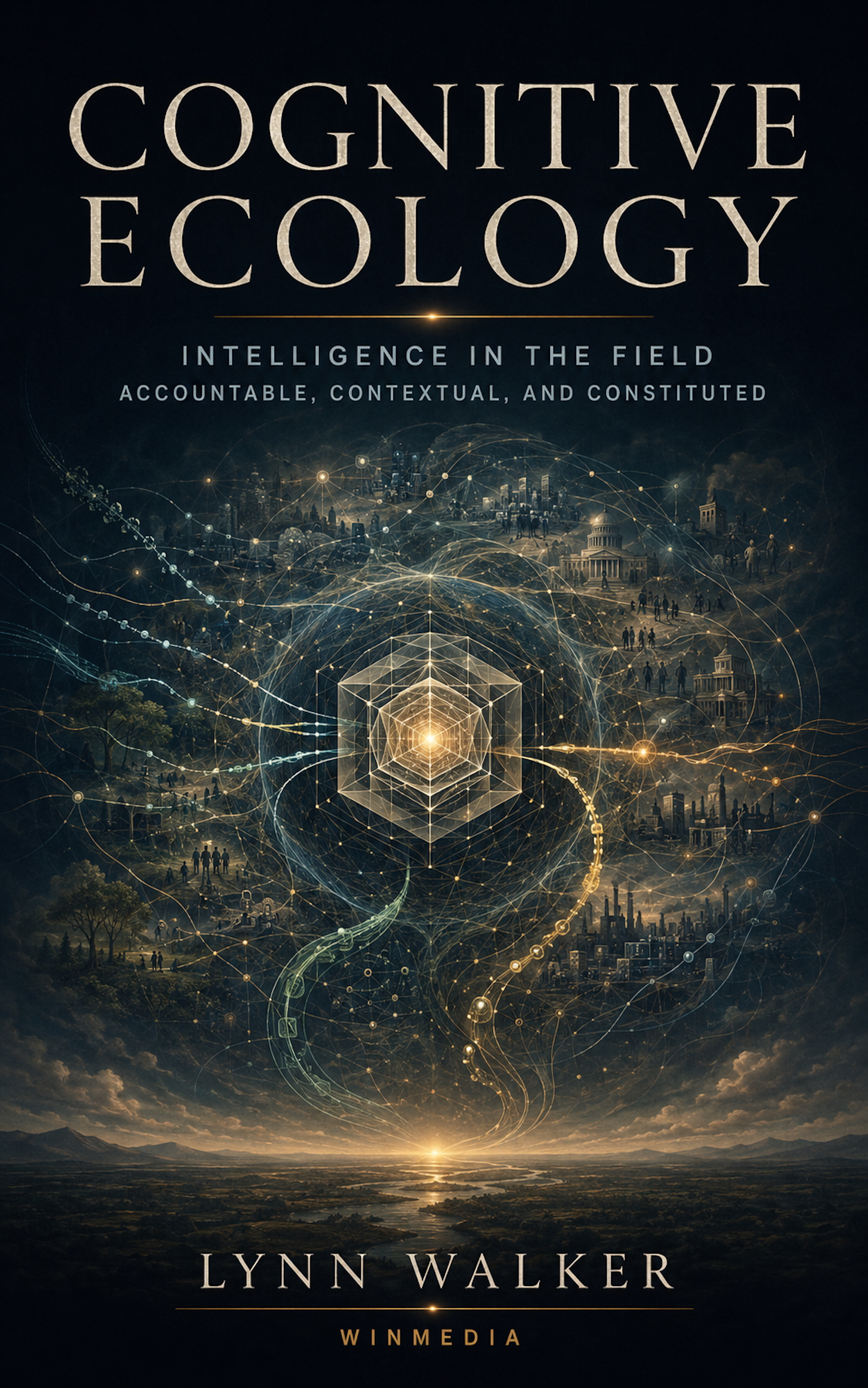
Human and Participatory Intelligence — Volume 2 · Published
The Conditions That Shape Thought, Judgment, and Agency
Cognitive Ecology situates cognition in the fields that distribute attention, information, incentives, and influence — revealing why personal orientation is necessary but insufficient in shaped environments.
Cognitive Ecology · Human Orientation · Meaning Formation · Value Architecture
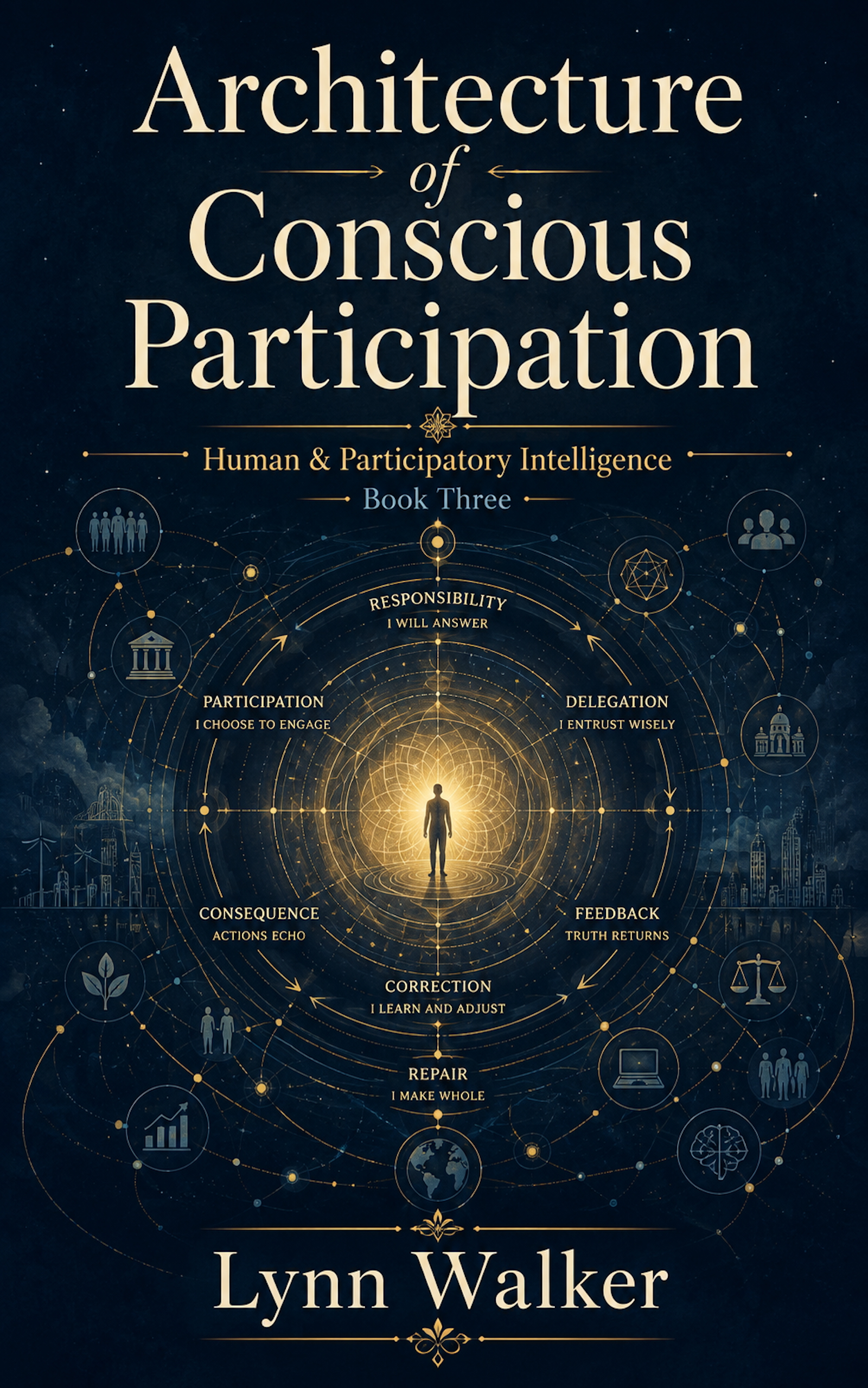
Human and Participatory Intelligence — Volume 3 · Published
Agency, Consent, Consequence, and Repair in Shared Systems
Architecture of Conscious Participation defines participation as accountable involvement under conditions of asymmetry — addressing agency, consent, consequence, feedback, correction, and repair.
Architecture of Conscious Participation · Human Orientation · Meaning Formation
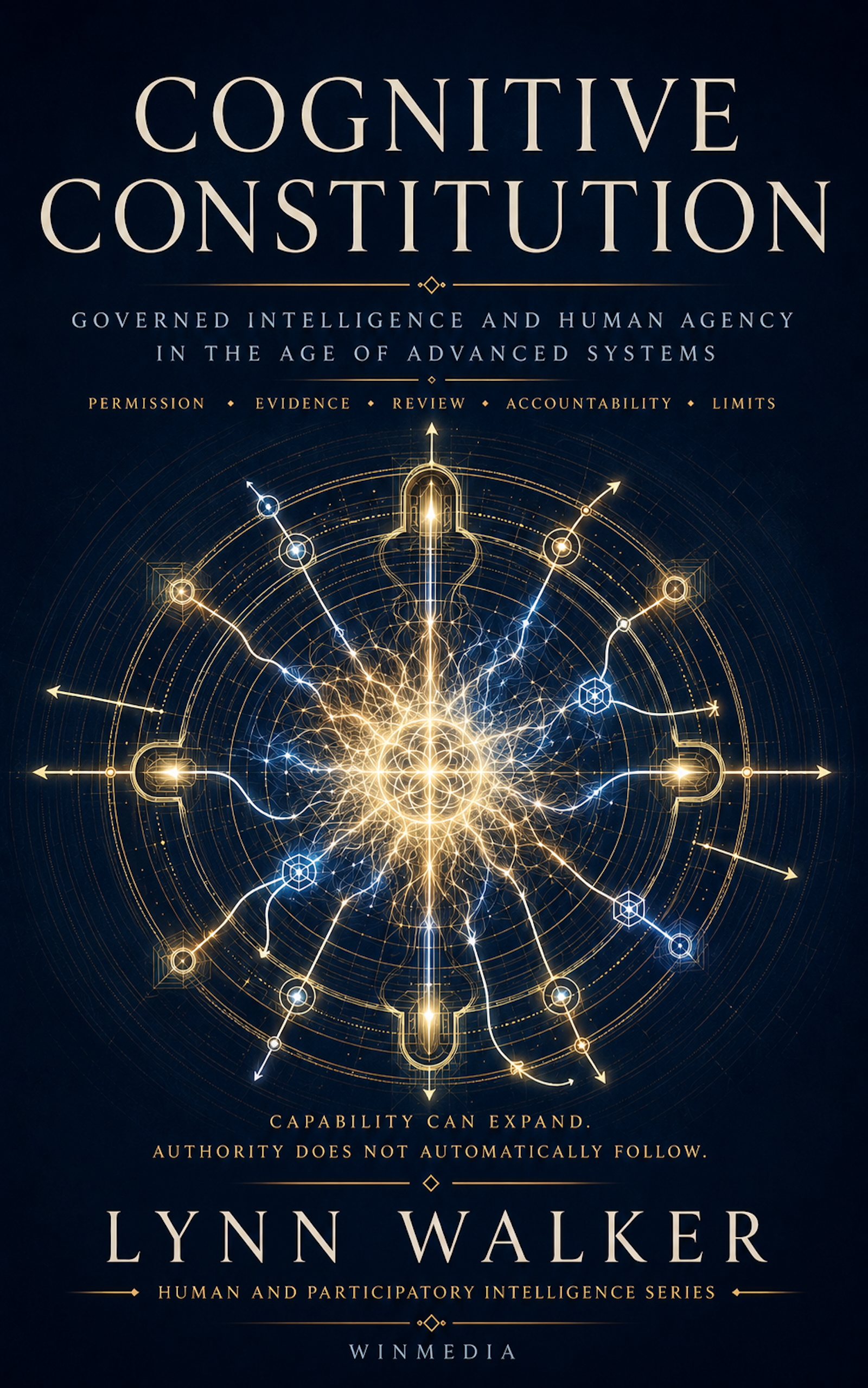
Human and Participatory Intelligence — Volume 4 · Published
Legitimacy, Stewardship, and the Governance of Advanced Capability
Cognitive Constitution completes the Human and Participatory Intelligence series by addressing the constitutional conditions under which cognitive authority may be exercised, contested, and corrected.
Cognitive Constitution · Human Orientation · Value Architecture · Meaning Formation

Ever-Expanding Conceptions of God — Volume 1 · Published
The opening volume in a public book series about how people name, understand, and approach the divine.
A clear first volume for readers who want the opening book and a direct path to Amazon.
Ever-Expanding Conceptions of God · Human Orientation · Value Architecture · Meaning Formation

Ever-Expanding Conceptions of God — Volume 2 · Published
Systematic and Relational Conceptions
The second volume in the theological inquiry and conceptual analysis series, expanding on systematic and relational conceptions of ultimacy.
Ever-Expanding Conceptions of God · Human Orientation · Value Architecture · Meaning Formation

Ever-Expanding Conceptions of God — Volume 3 · Published
Volume 3 of Ever-Expanding Conceptions of God, examining how traditions organize conceptions of the divine or ultimate reality into complete architectures of reality, world, self, revelation, practice, authority, and final destiny.
Ever-Expanding Conceptions of God
Publication Line
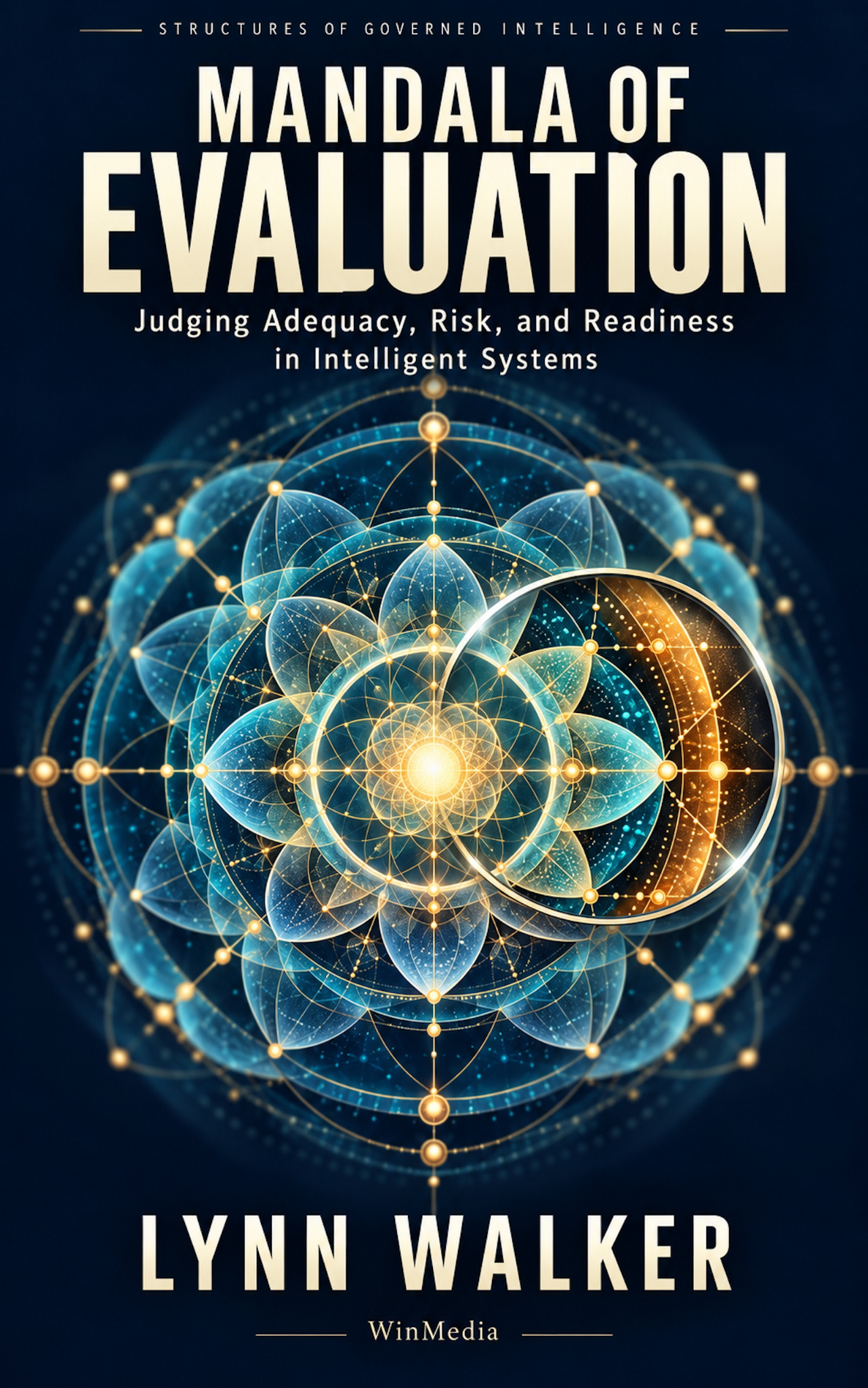
Structures of Governed Intelligence · Published
Judging Adequacy, Risk, and Readiness in Intelligent Systems
A structured account of judging whether an intelligent system is adequate for its intended purpose, what risks remain, and what evidence supports readiness.
Kindle eBook
Mandala of Evaluation
Structures of Governed Intelligence · Published
A structured account of actors, capabilities, authority, permissions, ownership, review, and responsibility, preserving the distinctions needed to understand accountable action.
Kindle eBook
Mandala of Agency

Structures of Governed Intelligence · Published
An integrated account of declaring, inspecting, and preserving obligations across meaning-bearing work.
Mandala of Constraints
Structures of Governed Intelligence — Volume 1 · Published
Cognitive Data Structures establishes the semantic substrate of governed intelligence: making governance-relevant distinctions explicitly addressable and preserving meaning across transformations.
Cognitive Data Structures · Supporting Structures · Sanskrit Mandala Model · Universal Knowledge Mandala (UKM)
Domain Mandalas · Published
Core Concepts Across Programming Languages
A guided account of the core concepts that recur across programming languages, from programs and values to structure, transformation, and execution.
The Computer Programming Mandala

Domain Mandalas · Published
The Mandala of Music approaches music as an organized field of relationships rather than isolated facts, making connections among sound, time, form, expression, practice, and context visible.
The Mandala of Music · The Mandala of Mandalas (MoM) · Universal Knowledge Mandala (UKM)

Domain Mandalas · Published
A Governed Architecture for Learning, Navigation, and Transfer
The Learning Mandala develops a governed architecture for learning, navigation, and transfer: moving through structured knowledge across perspectives and resolutions while verifying understanding.
The Learning Mandala · The Mandala of Mandalas (MoM) · Universal Knowledge Mandala (UKM) · Mandala Learning Protocol
Independent works
Standalone publications · Published
Intelligence That Keeps Going
An accessible inquiry into what changes when AI keeps working beyond a single exchange: persistence, delegation, automation, scale, and the governance of continuing activity.
Kindle eBook
Always-On AI

Standalone publications · Published
A Practical Guide to Structuring a Subject, Testing Your Understanding, and Putting It to Use
A practical guide to building a bounded relational model of a subject, testing it against evidence and use, and maintaining the ability to build independently, with optional AI help.
Kindle eBook
How to Build a Domain Mandala

Standalone publications · Published
What to Delegate to AI—and What Human Judgment Should Still Own
An accessible inquiry into how to divide work with AI while preserving human judgment, practice, relationships, responsibility, and the ability to revise the delegation.
Kindle eBook
What Should Remain Yours?
Standalone publications · Published
Why AI Makes Tasks Faster—and What It Takes to Turn That Speed into Progress
AI can make individual tasks faster while progress still waits on review, decisions, coordination, and adoption. This book shows how to find and address the constraint that moves downstream.
Kindle eBook · Paperback · Hardcover
The Bottleneck Moves
Standalone publications · Published
Why AI Capability Is Not Authority—and What Changes When Machines Can Take Action
An accessible account of why AI capability, access, and goal alignment do not by themselves confer legitimate authority to act—and what governance changes when AI systems can modify the world beyond the conversation.
Kindle eBook · Paperback · Hardcover
Permission to Act

Standalone publications · Published
How Artificial Intelligence Is Changing Discovery, Proof, and the Role of Scientists
An accessible account of the shift from AI as a research tool toward AI as an active participant in scientific discovery, examining how discovery, proof, verification, and the role of scientists change when machine systems take on more of the research process.
When AI Becomes the Researcher

Standalone publications · Published
A Practice for Living With Competing Goods
A practice for reflection and decision making when more than one legitimate consideration matters and no feasible option protects everything.
When Good Things Conflict
Standalone publications · Published
Why AI Doesn’t Follow Instructions the Way Software Does—and What Happens When It Can Act
An accessible account of why an AI system's agreement to an instruction is not the same as an enforced boundary, especially when it can act through tools.
Tendencies, Not Rules
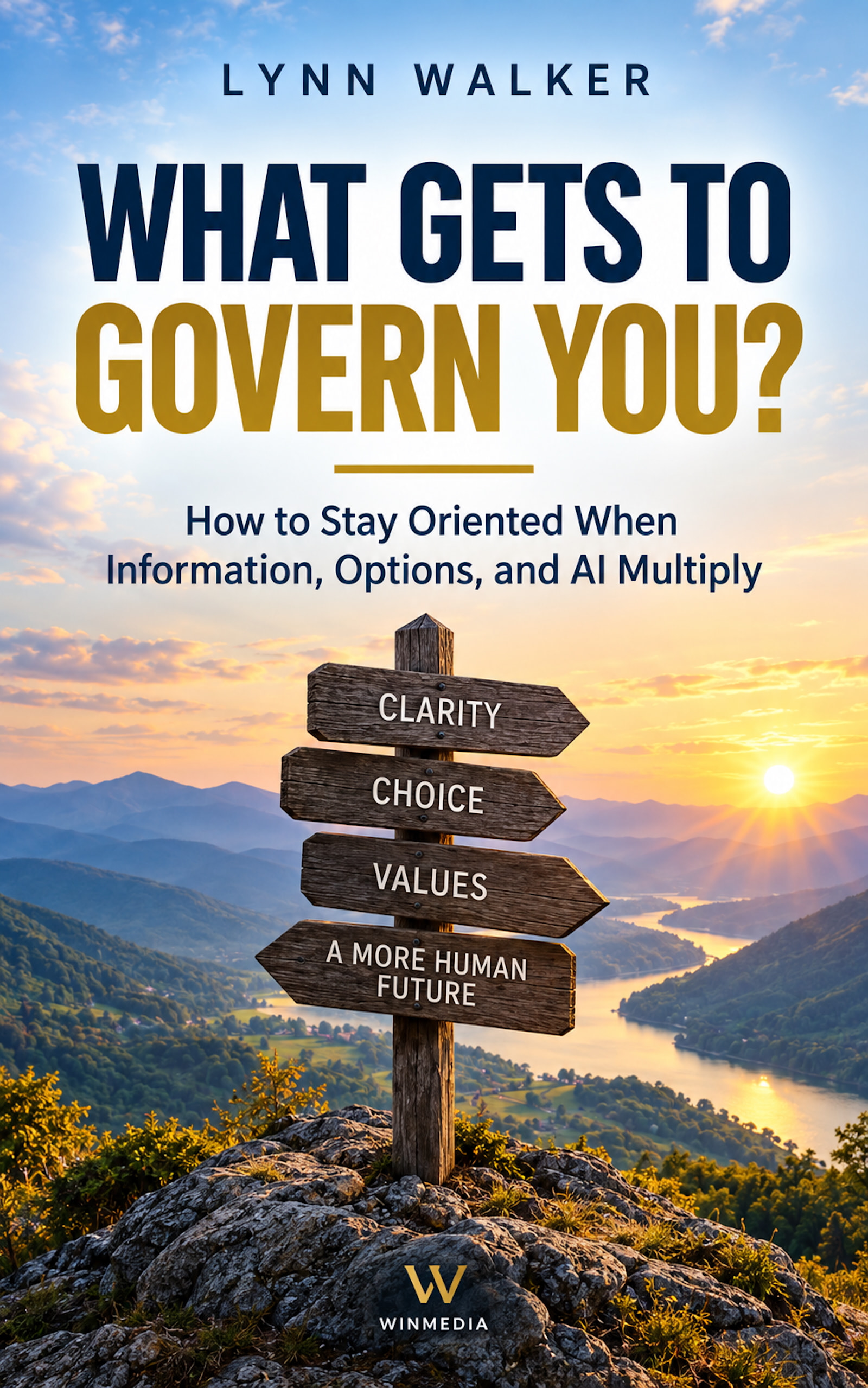
Standalone publications · Published
How to Stay Oriented When Information, Options, and AI Multiply
An inquiry into how attention, meaning, and value shape what governs a life as information, options, and AI multiply.
What Gets to Govern You? · Human Orientation · Value Architecture · Meaning Formation
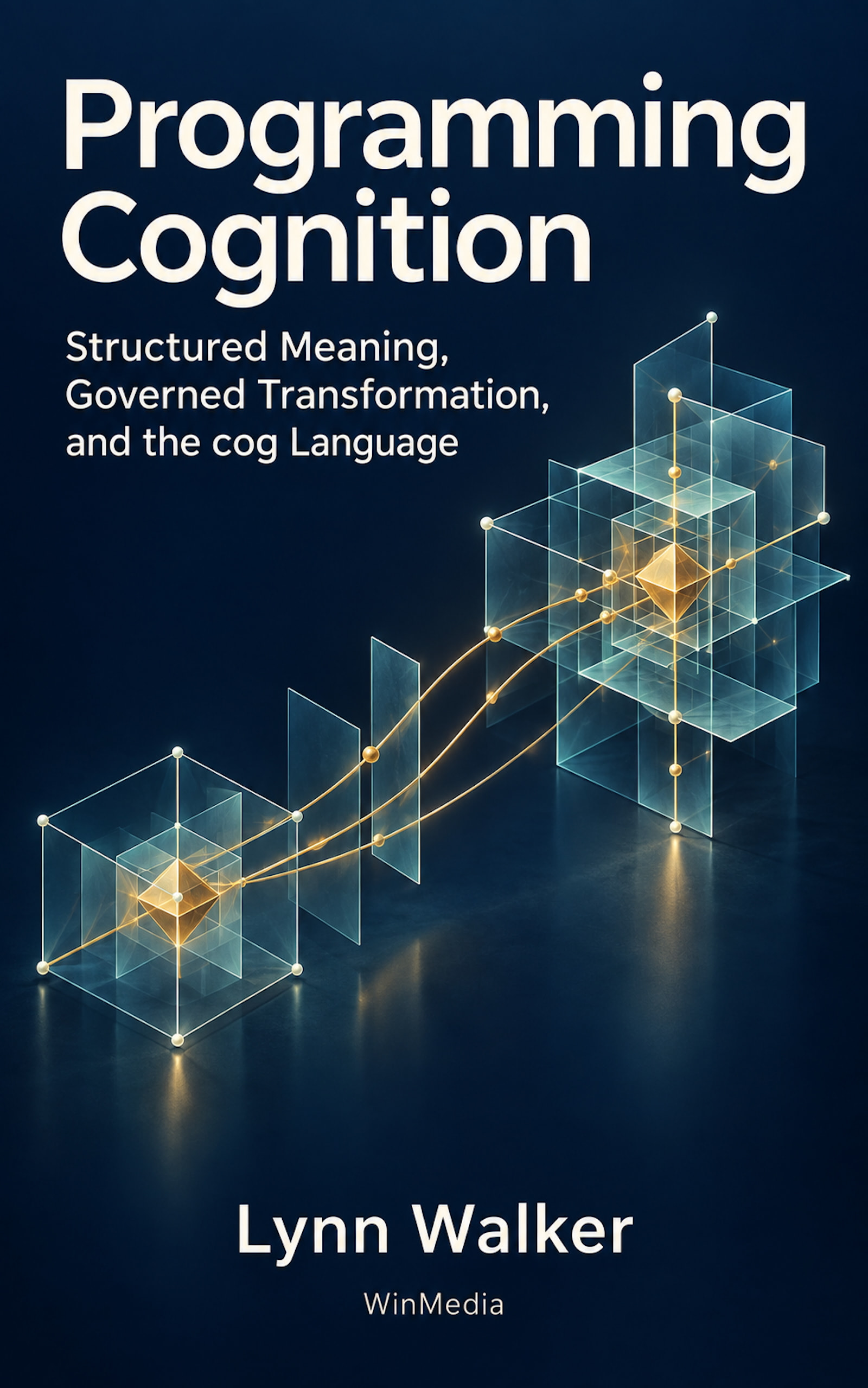
Standalone publications · Published
Structured Meaning, Governed Transformation, and the cog Language
An architectural account of structured meaning and governed transformation through the cog language, with free companion examples and evidence.
Programming Cognition · cog · SROW — Structured Resolution-Oriented Writing · Supporting Structures
Standalone publications · Forthcoming
A forthcoming field guide to comic technique, timing, and practical craft.
A forthcoming craft release positioned as a practical field guide rather than a promise of guaranteed funniness.
The Comedy Compendium: 111 Techniques · SROW — Structured Resolution-Oriented Writing · Meaning Formation
Standalone publications · Forthcoming
A forthcoming paper sequence on coherence, cognition, boundaries, and system responsibility.
A formal paper series intended to extend the canonical publishing layer with tighter thematic studies.
Structured Intelligence Papers · Universal Knowledge Mandala (UKM) · The Mandala of Mandalas (MoM) · cog

Standalone publications · Published
Cognition, Value, and Humility in the AI Age
Devotional Intelligence examines the structure of intelligence in service of something beyond itself — disciplined inquiry into how attention, judgment, and capability can be organized around what is genuinely worth serving.
Devotional Intelligence · Human Orientation · Value Architecture
Dual-Edition Architecture
WinMedia publications are built for both human reflection and machine utility. Machine Editions provide structured schemas, meaning units, validation fixtures, and JSONL data for local parsing, LLM retrieval, and governed computational use.