Publication series

Foundations of Mandala Intelligence

A six-volume architecture for structured, interpretable, governed intelligence.

Status
Complete six-volume series
Volumes
6 of 6 volumes released

The final volumes are now available: architectural integration and structured transmission complete the sequence.

Series question: How can complex intelligence and knowledge remain structured, inspectable, related, and communicable without flattening meaning?

Series thesis: Intelligence and knowledge become more interpretable, governable, and reusable when architecture, representation, protocol, relationship, integration, and transmission remain distinct and connected.

Why this series exists

A problem of structure and direction

Flat accounts of machine intelligence and knowledge obscure internal responsibility, destabilize representation, lose meaning in transformation, leave relationships ungoverned, fragment architectures, and transmit complexity poorly across human and machine contexts.

As systems become more capable and interconnected, legible structure and governed relationships become conditions of interpretation rather than optional design preferences.

The series supplies a conceptual architecture for recognizing distinct layers of intelligence without claiming that a theoretical architecture is already an operational platform.

Series map

Architecture → Knowledge → Protocol → Relationship → Integration → Transmission

The progression names causal transitions, not only reading order.

  1. 1. Architecture · Layered intelligence

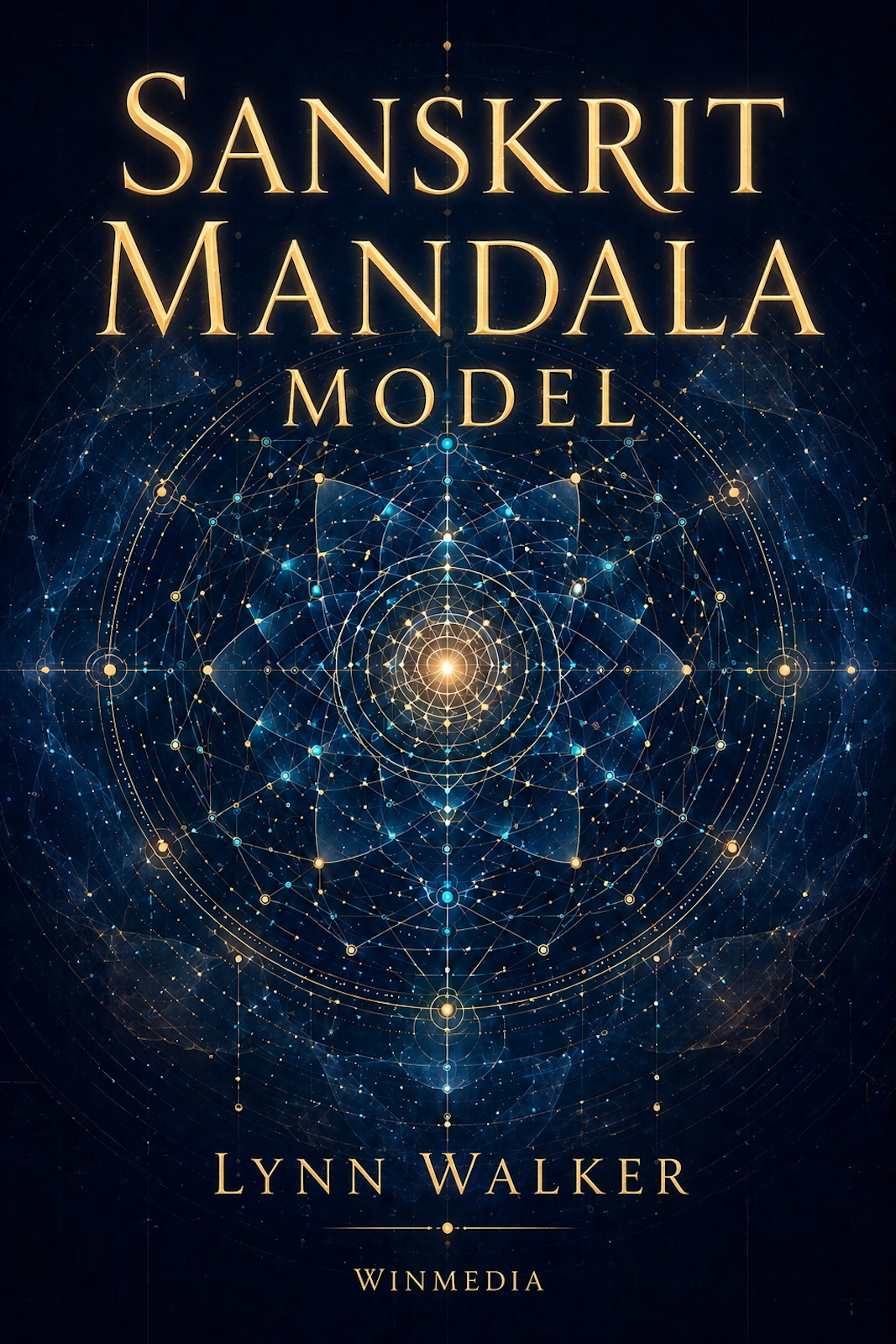
    The Sanskrit Mandala Model

    Establishes an interpretable layered architecture for intelligence.

    Therefore: An architecture needs a domain-neutral way to organize what it knows.

  2. 2. Knowledge · Knowledge representation

    Universal Knowledge Mandala

    Extends layered structure into a domain-neutral architecture for knowledge.

    Therefore: Shared knowledge needs a common structural form and rules of use.

  3. 3. Protocol · Common structural rules

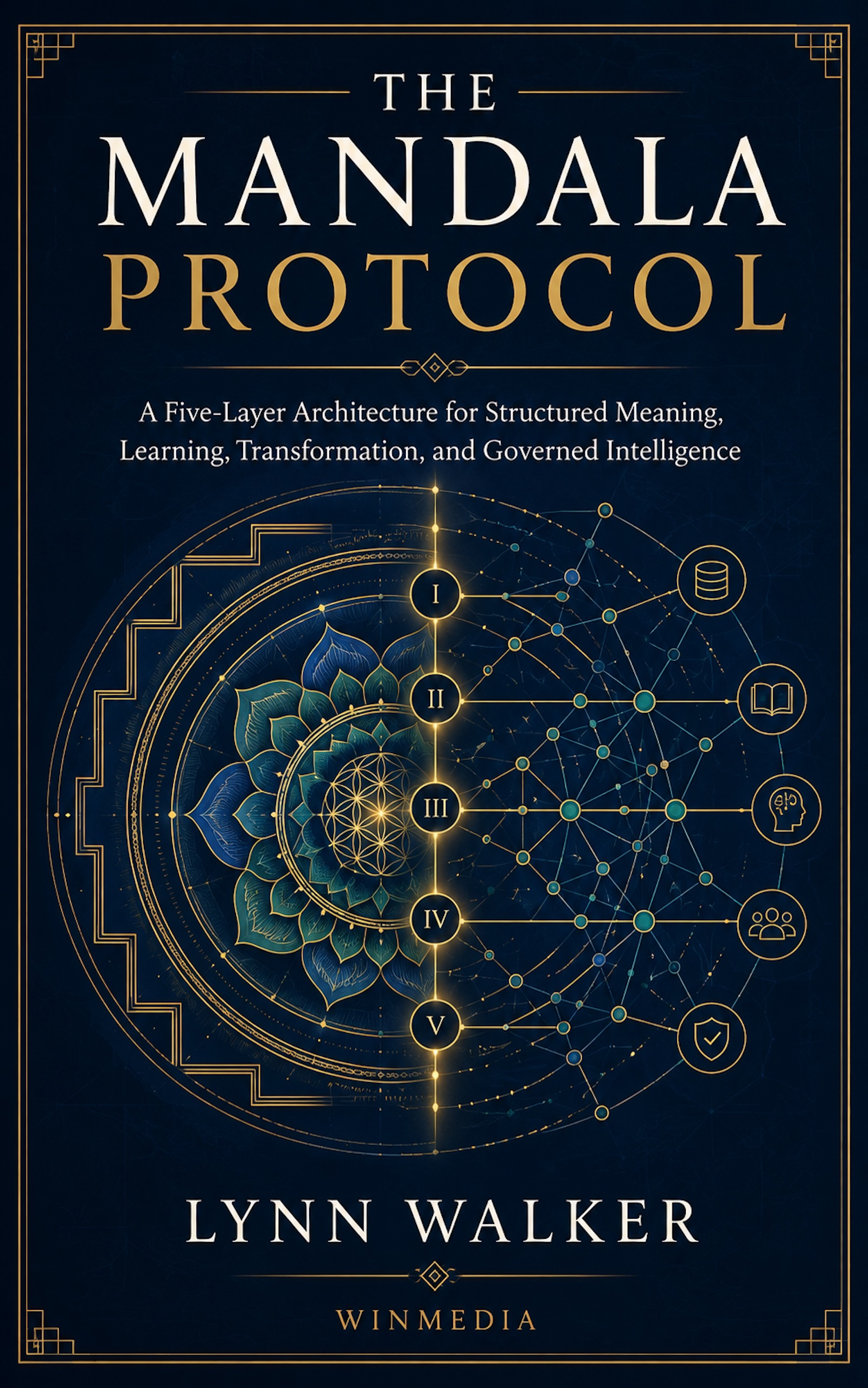
    The Mandala Protocol

    Defines a common five-layer protocol for formed, communicated, and applied meaning.

    Therefore: Systems with common form still need governed relationships.

  4. 4. Relationship · Relationship topology

    Big Net

    Addresses how structured knowledge systems relate without dissolving boundaries.

    Therefore: Related systems require an account of how their architectures compose.

  5. 5. Integration · Meta-architecture

    The Mandala of Mandalas

    Integrates the preceding architectures in a relational meta-architecture.

    Therefore: Integrated architecture must still be transmitted across readers, contexts, and resolutions.

  6. 6. Transmission · Resolution-aware communication

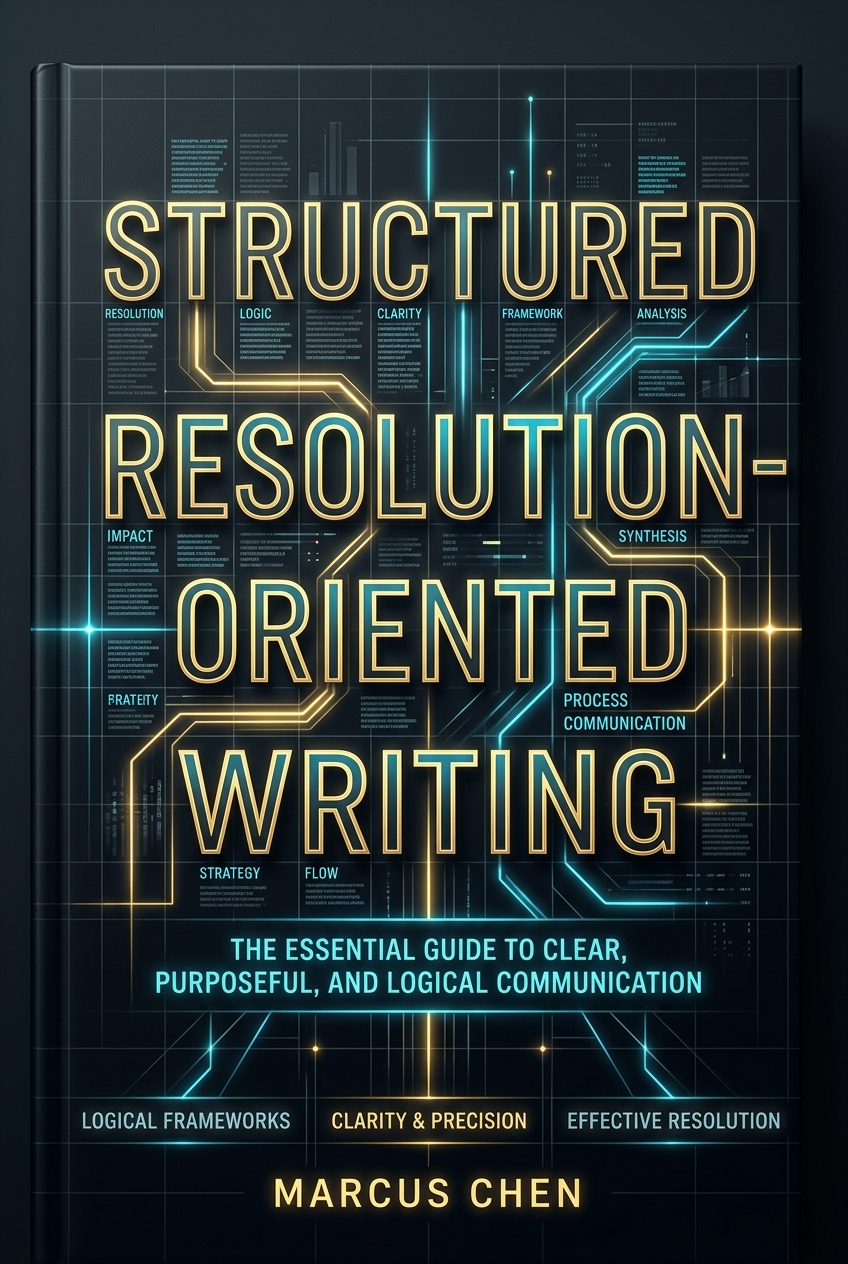
    Structured Resolution-Oriented Writing

    Defines structured transmission through which meaning can be entered, navigated, expanded, compressed, and reused.

Series primer

Load-bearing concepts

These definitions orient the reader; the books retain their sustained arguments, evidence, qualifications, and complete cases.

Layered intelligence

An account of intelligence whose distinct responsibilities are organized in discernible layers.

Why it matters: It resists the flattening that makes systems opaque and hard to govern.

Developed in: The Sanskrit Mandala Model

Not the same as: Layered does not mean merely hierarchical; layers remain related and interpretable.

Bounded example: A reader can ask which layer is responsible for a particular interpretive move.

Mandala-native structure

A structured arrangement that preserves centers, relations, and differentiated roles rather than treating content as a flat collection.

Why it matters: It gives form to relationships that otherwise remain implicit.

Developed in: The Sanskrit Mandala Model; Universal Knowledge Mandala

Not the same as: It is not a decorative visual motif.

Bounded example: A knowledge object shows how its parts relate to a governing center.

Interpretable architecture

Architecture whose organization can be inspected, questioned, and related to its purposes.

Why it matters: Interpretability creates conditions for review and governed use.

Developed in: The Sanskrit Mandala Model

Not the same as: It is not a claim of automatic correctness or truth.

Bounded example: A reviewer can locate a conclusion within its structural dependencies.

Domain-neutral knowledge representation

A form for organizing knowledge that does not depend on one subject matter alone.

Why it matters: It supports translation and comparison across domains while retaining structure.

Developed in: Universal Knowledge Mandala

Not the same as: Domain-neutral does not mean context-free.

Bounded example: The same structure can locate questions in distinct disciplines without declaring them identical.

Yantra, map, dialogue, and embodiment

Complementary modes by which structured meaning is formed, represented, engaged, and lived.

Why it matters: They prevent a protocol from being confused with only a diagram or only a conversation.

Developed in: The Mandala Protocol

Not the same as: These modes are related but not interchangeable.

Bounded example: A map can orient a dialogue without replacing embodied judgment.

Governed relationship

A relationship among knowledge systems that preserves boundaries, roles, and accountable connections.

Why it matters: It addresses interoperability without flattening meaning.

Developed in: Big Net

Not the same as: It is not an operational platform or an unrestricted network.

Bounded example: Two systems can exchange a bounded reference while retaining their distinct jurisdictions.

Meta-architecture

An architecture for relating architectures as a coherent whole.

Why it matters: It makes integration itself a visible object of thought.

Developed in: The Mandala of Mandalas

Not the same as: It does not erase the internal integrity of the systems it relates.

Bounded example: A larger map shows how distinct architectures cooperate without collapsing into one layer.

Structured Resolution-Oriented Writing

A method for transmitting structured meaning at appropriate resolutions while preserving evidence, qualification, and alternatives.

Why it matters: It makes complex material navigable and reusable across contexts.

Developed in: Structured Resolution-Oriented Writing

Not the same as: It is not an autonomous reasoning engine or a guarantee of truth.

Bounded example: A reader can move from a concise claim into supporting distinctions without losing the connection.

Cumulative argument

Why each volume creates the need for the next

  1. The Sanskrit Mandala Model establishes the need for layered, interpretable architecture rather than a flat account of intelligence.

  2. Universal Knowledge Mandala follows because architecture requires a stable way to represent knowledge across domains.

  3. The Mandala Protocol becomes necessary when shared representations need a common structural form for meaning and exchange.

  4. Big Net follows because common form alone does not govern relationships among distinct systems.

  5. The Mandala of Mandalas integrates those relationships into a meta-architectural whole, and Structured Resolution-Oriented Writing makes that complex meaning transmissible without treating compression as simplification.

Book spotlights

Distinct volumes, cumulative architecture

Cover of The Sanskrit Mandala Model by Lynn Walker

Book 1 of 6 · Published

The Sanskrit Mandala Model

Governing question: What would an interpretable, layered architecture for intelligence require?

Establishes the foundational layered architecture from which the series begins.

  • Recognize layered responsibilities in intelligence.
  • Distinguish interpretable architecture from opaque output.
  • Place alignment within a structured account of meaning.

In the series: Provides the architectural starting point.

Cover of Universal Knowledge Mandala by Lynn Walker

Book 2 of 6 · Published

Universal Knowledge Mandala

Governing question: How can knowledge be structured across domains without becoming flat or contextless?

Defines a domain-neutral architecture for structured knowledge.

  • Understand domain-neutral representation.
  • Relate knowledge objects through common form.
  • Preserve context while comparing domains.

In the series: Moves the series from intelligence architecture into knowledge representation.

Cover of The Mandala Protocol by Lynn Walker

Book 3 of 6 · Published

The Mandala Protocol

Governing question: What common protocol lets structured meaning be formed and communicated?

Defines the five-layer protocol and its complementary modes of meaning.

  • Distinguish yantra, map, dialogue, and embodiment.
  • Recognize the role of common protocol.
  • Examine meaning as structured rather than merely produced.

In the series: Supplies the common architecture needed for interoperability.

Cover of Big Net by Lynn Walker

Book 4 of 6 · Published

Big Net

Governing question: How can knowledge systems relate without losing boundaries or governance?

Defines a relationship topology for governed intelligence.

  • Recognize relationship as an architectural problem.
  • Preserve boundaries in connection.
  • Distinguish governed topology from an operational platform.

In the series: Extends the series from individual structures to their relationships.

Cover of The Mandala of Mandalas by Lynn Walker

Book 5 of 6 · Published

The Mandala of Mandalas

Governing question: How do distinct architectures compose into a larger intelligible whole?

Integrates the preceding architectures into a relational meta-architecture.

  • Identify meta-architectural questions.
  • Relate systems without collapsing their roles.
  • See integration as a governed act of composition.

In the series: Acts as the architectural capstone.

Cover of Structured Resolution-Oriented Writing by Lynn Walker

Book 6 of 6 · Published

Structured Resolution-Oriented Writing

Governing question: How can complex structured meaning be transmitted, reviewed, and reused across resolutions?

Defines the transmission layer for entering, navigating, expanding, compressing, and reusing structured meaning.

  • Choose an appropriate resolution for communication.
  • Preserve qualifications and alternatives during transmission.
  • Navigate complex material without treating summary as replacement.

In the series: Acts as the transmission capstone.

Reader pathways

Several valid ways to enter

AI architecture and alignment

For: Readers beginning with interpretable AI architecture.

Begin with: The Sanskrit Mandala Model

Then: The Sanskrit Mandala Model → Universal Knowledge Mandala

Start with layered architecture before extending it into knowledge form.

Full sequence recommended

Knowledge representation and ontology

For: Readers working with structured knowledge across domains.

Begin with: Universal Knowledge Mandala

Then: Universal Knowledge Mandala → The Mandala Protocol

Begin at representation, then continue to the common protocol.

Full sequence recommended

Protocol and systems design

For: Readers concerned with common structural rules.

Begin with: The Mandala Protocol

Then: The Mandala Protocol → Big Net

Follow protocol into governed relationship.

Full sequence recommended

Distributed cognition and relationships

For: Readers studying connections among systems.

Begin with: Big Net

Then: Big Net → The Mandala of Mandalas

Enter at relationship topology and continue to integration.

Full sequence recommended

Meta-architecture

For: Readers seeking architectural synthesis.

Begin with: The Mandala of Mandalas

Then: The Mandala of Mandalas → Structured Resolution-Oriented Writing

Start with composition and continue to transmission.

Full sequence recommended

Writing and structured communication

For: Readers needing resolution-aware transmission.

Begin with: Structured Resolution-Oriented Writing

Then: Structured Resolution-Oriented Writing → The Mandala Protocol

Enter through communication and trace its structural preconditions.

Full sequence optional

Complete canonical sequence

For: Readers seeking the cumulative architecture.

Begin with: The Sanskrit Mandala Model

Then: Books 1 → 2 → 3 → 4 → 5 → 6

The full sequence makes the dependencies among architecture, knowledge, protocol, relationship, integration, and transmission visible.

Full sequence recommended

Whole-series synthesis

What the sequence makes visible

The complete FoMI architecture shows that intelligence is not one undifferentiated capacity. It is a set of distinguishable architectural questions: how meaning is organized, represented, exchanged, related, integrated, and transmitted.

Each volume can be read independently. The sequence describes how the architectures relate; it is not a prerequisite reading path. Readers may begin with the volume most relevant to their need; the numbered order preserves architectural development. Reading Books 1–5 is not required before reading SROW. Reading SMM is not required before using UKM.

FoMI remains a canonical theoretical architecture. It does not claim that these architectures have been implemented as autonomous systems, nor that theory eliminates the need for situated judgment and future inquiry.

FoMI prepares the ground for later WinMedia frameworks and publications by naming the architectural conditions they can build upon. WinMedia preserves the canonical explanation; applied work, where approved, remains separate.

Publication access

Reading order and publication records

Publication access follows orientation. Released volumes link to their WinMedia publication records and Amazon where available; in-development volumes are described only by their stable jurisdiction.

  1. 1. The Sanskrit Mandala ModelPublished · WinMedia publication page
  2. 2. Universal Knowledge MandalaPublished · WinMedia publication page
  3. 3. The Mandala ProtocolPublished · WinMedia publication page
  4. 4. Big NetPublished · WinMedia publication page
  5. 5. The Mandala of MandalasPublished · WinMedia publication page
  6. 6. Structured Resolution-Oriented WritingPublished · WinMedia publication page